
The first clue that Cayman cuisine is different comes from the menu. Cayman food did not appear fully formed. It grew from small gardens, fishing boats, and a tight habit of sharing what you have. British staples met Caribbean spice. Seafarers brought ideas home. Today you can eat on a plastic chair beside the sea at noon and sit under chandeliers at night. The thread that ties it all together is respect for what the islands offer.
This guide is built to help you eat well from the first day. You will get a plain‑English breakdown of Cayman’s most iconic dishes so you know what you are ordering and why locals care about it. From roadside vendors to establishments that fill up weeks in advance, you will explore where to obtain real delicacies. You will discover how the islands' voice was preserved as luxury eating flourished here. And you'll see why Grand Old House is on so many tourists' lists for a single, memorable evening.
Read on with an open appetite. The best food in the Cayman Islands rewards curiosity, not hurry.
Cayman’s Most Iconic Dishes Explained
If there’s one word to describe Cayman Islands cuisine, it’s authentic. The islands have long relied on the sea and simple, hearty ingredients—and that connection remains strong today. A few dishes are woven so tightly into Cayman’s identity that tasting them feels like joining the local rhythm.
1. Cayman-Style Fish
Ask any local what you must eat first, and they’ll say Cayman-style fish. Typically snapper or grouper, the fish is marinated with onions, bell peppers, and scotch bonnet peppers, then simmered slowly in a rich tomato-based sauce. The result: tender, flavorful, and undeniably island-born.
2. Turtle Stew
Historically, turtle meat was a staple protein for Caymanians. Today, it’s mostly symbolic—a heritage dish prepared under strict regulations. The meat is stewed with seasonings and browned onions until it develops a deep, earthy flavor, often served with rice and beans. It speaks to Cayman’s maritime past and cultural roots.
3. Conch Stew and Fritters
Conch, the queen of Caribbean shellfish, makes its way into everything from chowders to fritters. The fritters are especially popular: minced conch mixed with flour, peppers, and herbs, deep-fried until golden. It’s street food you can find at beachside shacks and five-star resorts alike.
4. Rundown
Despite its curious name, “rundown” is a comfort dish at heart. Fish or vegetables are simmered in coconut milk until it breaks down into a thick, flavorful sauce. It’s rustic, filling, and every family adds its twist—sometimes green bananas, sometimes cassava or yam.
5. Cassava Cake
No meal feels complete without something sweet, and cassava cake is the Cayman dessert of choice. Made from grated cassava, coconut milk, and brown sugar, it has a chewy, caramelized texture that’s both traditional and addictive. Served warm, it captures the soul of island baking.
Where to Taste Authentic Cayman Flavors
Cayman's appeal originates from its contrasts: roadside vendors offering fish fresh from the fryer are just minutes away from immaculate restaurants where plating is an art form. To experience the best food in Cayman Islands, follow your appetite across this spectrum.
Local Cafés and Roadside Stands
Begin by keeping things simple. Heritage Kitchen in West Bay is a local favorite, serving fried fish or stewed beef in the shade of a sea grape tree. There's no pretense—just the perfume of frying garlic, waves lapping nearby, and the sound of chatter. These family-run establishments frequently use recipes passed down through generations.
Seafood Shacks and Beach Bars
Little shacks that feel more like homes than dining establishments may be found along the shore. The cuisine is proudly Caymanian, fresh, and impromptu. Breadfruit fries or plantains are frequently offered alongside conch ceviche, lobster tail, or jerk chicken, which are probably on the menu. The scenery and the simplicity are what provide the delight.
Farm-to-Table Experiences
Farm-to-table eating is one way that the islands are adopting sustainability inland. In addition to growing their own veggies, restaurants such as George Town's The Brasserie also collect fish from their daily catch program. This environmentally aware method gives guests a genuine flavor of the land and sea while honoring regional farming and fishing customs.
Fine Dining with Island Soul
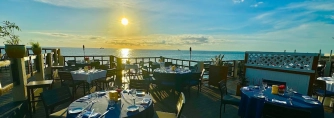
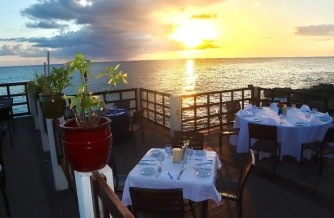
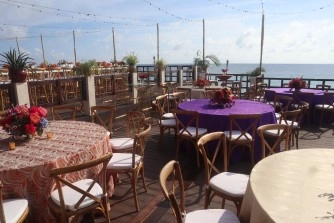
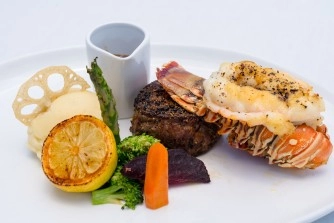
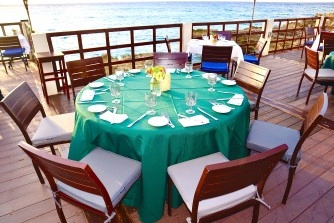
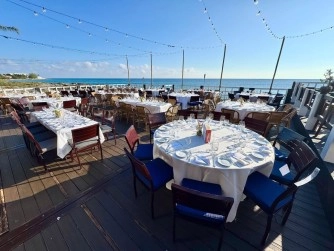
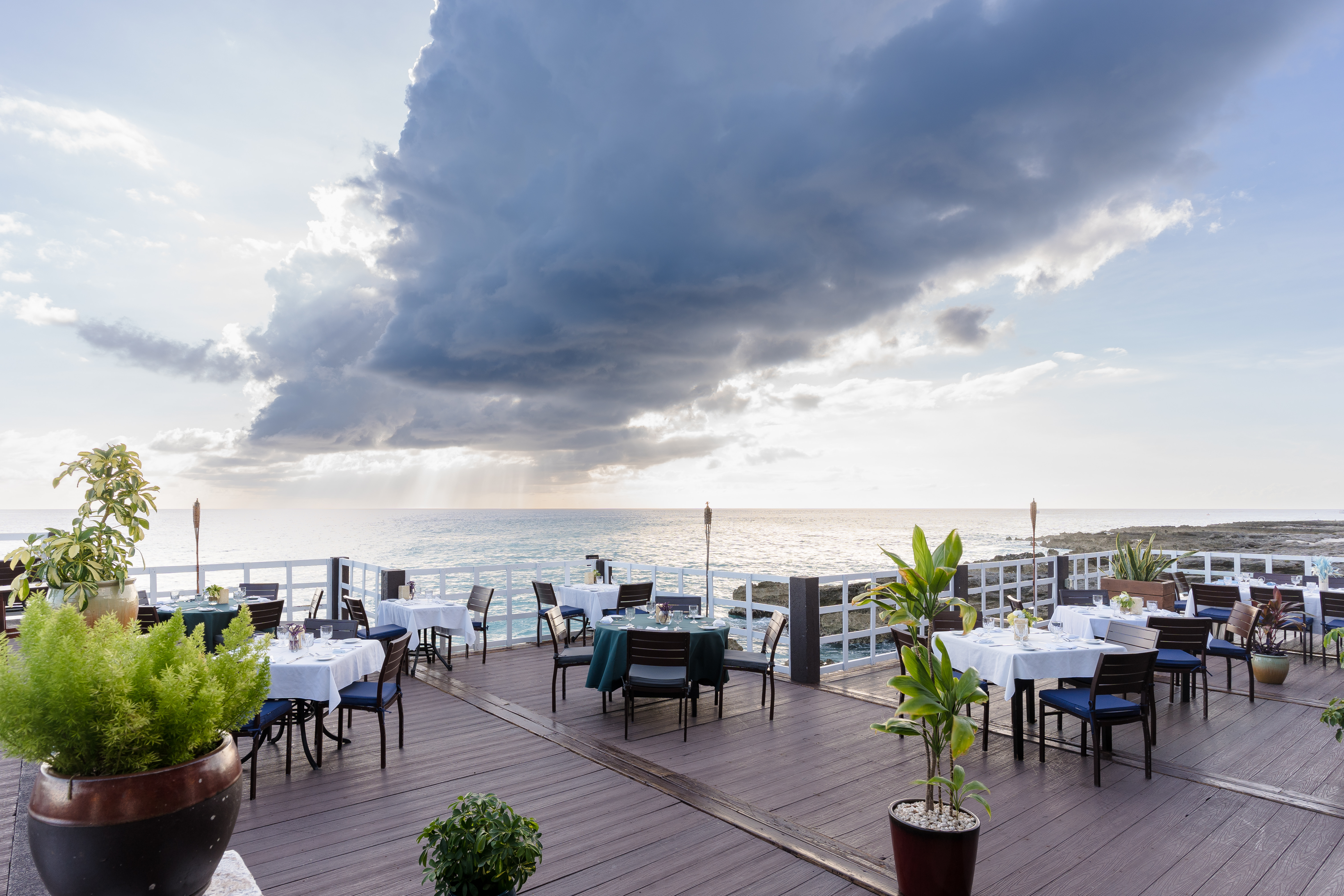
Some restaurants reimagine local food from a global perspective for tourists who want to combine Cayman tastes with luxury. Anticipate gourmet food made with local delicacies like snapper or lionfish, accompanied by good wines and views of the ocean. Grand Old House, for example, brings Cayman's history into the realm of exquisite dining; its colonial building and terrace overlooking the sea have served as the setting for innumerable memorable dinners.
The Rise of Luxury Dining on the Island
The Cayman Islands have become the gastronomic hub of the Caribbean in the last ten years. The island, which was formerly mostly known for its beaches and banks, now has one of the most upscale eating scenes in the area. Celebrity chef Eric Ripert hosts the annual Cayman Cookout, which unites Michelin-starred chefs with foodies. It illustrates how Cayman has developed while maintaining its heritage.
Balance is key when it comes to luxury dining here, not just imported truffles or champagne pairings. Instead of overpowering local foods, chefs strive to elevate them. Breadfruit, plantains, and callaloo are among the native food that is served alongside recipes that showcase wahoo or mahi-mahi. The essence of Cayman Islands cuisine is still distinctly indigenous, even in upscale kitchens.
Cayman is unique because of its mix of refinement and genuineness. In addition to supplying cuisine, restaurants also convey the island's history. Island heritage is celebrated rather than concealed as each meal turns into a dialogue between tradition and innovation.
Why Visitors Call Grand Old House a Must-Dine Experience
Grand Old House frequently ranks among the top dining experiences in the Cayman Islands when asked by returning visitors. Situated on the iron coast in a historic 1908 plantation structure, it embodies the history, ambience, and flawless cuisine that make Cayman dining exceptional.
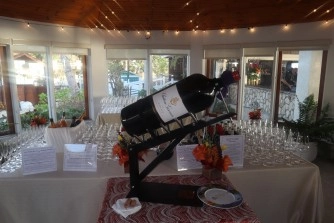
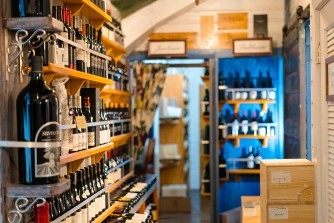
Think of dishes like pan-seared snapper with coconut curry or lobster flavored with local spices as elegant ways to honor Cayman's seafood abundance. The restaurant is the type of location where time seems to slow down and supper flows naturally into the night thanks to its award-winning wine selection and outdoor patio.
But more than the cuisine, Grand Old House is remembered for its feeling of location. The tranquil cadence of the waves, the colonial woodwork, and the sea wind serve as a reminder to guests that Cayman's food culture is based on its own rich, savory origins rather than copying the cuisine of other cities.
A Final Bite
Cayman Islands food is more than just a group of recipes; it's a dynamic story of resiliency, ingenuity, and community. Every meal provides a window into the essence of the island, whether you're sitting beneath chandeliers with a view of the Caribbean or standing barefoot beside a roadside shack? For culinary enthusiasts, the opportunity to experience a culture as rich, varied, and remarkable as the surrounding water is the true gem of the Cayman Islands.